Viktoriya Malikova
http://indianexpress.com/article/india/create-unit-outside-defence-ministry-to-fast-track-defence-deals-panel-to-tell-govt-4505063/
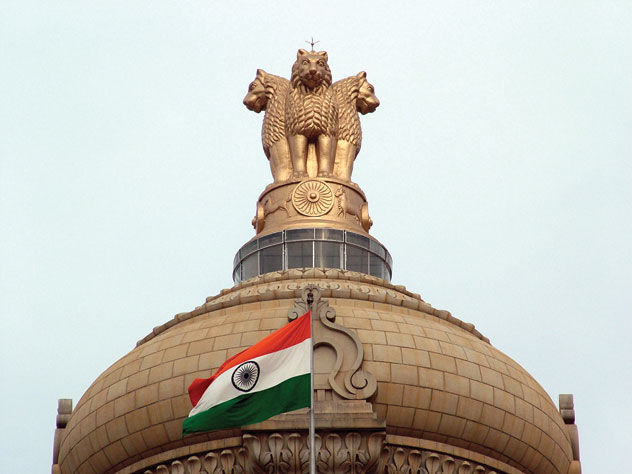
According to Giraldo, bureaucracy is one of the factors that first comes to mind when the theme of the Ministry of Defense is raised. Girardo cites Weber and mentions that one the advantages of bureaucracy is its aim at high effectiveness and its “technical superiority” (Giraldo 2008, 72). At the same time, however, he mentions that bureaucracy in military sphere is more complex than it may seem; and that all MODs are different. Another problem with this approach may be found in the case of India. One of the greatest and most important problems of bureaucracy is known to be time periods necessary to obtain a desired object through its system. To be as effective as Weber described it, bureaucracy needs to be like a very precise machine, each part of which works perfectly coherently and smoothly. It is, however, not the case in the reality. For many reasons, including the human factor, bureaucracy often becomes something contrary to the Weberian ideal and contributes to decrease in efficiency. This happens even when we talk about military sector, which may seem to be strange as defense is state’s priority and if it does not work effectively, the state may be in a danger. But India’s case is an example of it.
The main problem that Indian military sector is facing is delays in procurements. After regular and multiple repetitions of this problem, it was proposed to create a special committee in India in addition to the ministry of defense, which would deal exclusively with the defense procurement. This organization is also aimed at dealing with the problem of corruption which is flourishing during process of tender competitions.
This is planned to be an organization which would be independent from the MOD. In this case an interesting question to ask would be whether this organization will include acting members of the military and if yes, it would undermine the civil control. In any case, this will be a widening of the bureaucracy and it is questionable whether indeed it could contribute to the increase in efficiency of military procurement.
Nevertheless, this would mean further division of power and it supports Giraldo’s claim about complexity of institutions exercising the civil control over military. The point is that the division between civilian and military is not as simple as it may seem to be because there are various divisions inside of both military and civilian sectors. For example, the civilian control is exercised by legislative and executive branches which do not always agree with each other. Moreover, Indian case shows that sometimes executive branch, in particular, the MODs may be ineffective to the extent that they require an additional independent organization to deal with certain issues, in this case the procurement.
_____________
References:
Giraldo J. K. “Legislatures and National Defense: Global Comparisons” In Who Guards the Guardians and How:Democratic Civil-Military Relations. Editors: Bruneau, Thomas C., and Scott D. Tollefson. 2008. University of Texas Press.
http://indianexpress.com/article/india/create-unit-outside-defence-ministry-to-fast-track-defence-deals-panel-to-tell-govt-4505063/
According to Giraldo, bureaucracy is one of the factors that first comes to mind when the theme of the Ministry of Defense is raised. Girardo cites Weber and mentions that one the advantages of bureaucracy is its aim at high effectiveness and its “technical superiority” (Giraldo 2008, 72). At the same time, however, he mentions that bureaucracy in military sphere is more complex than it may seem; and that all MODs are different. Another problem with this approach may be found in the case of India. One of the greatest and most important problems of bureaucracy is known to be time periods necessary to obtain a desired object through its system. To be as effective as Weber described it, bureaucracy needs to be like a very precise machine, each part of which works perfectly coherently and smoothly. It is, however, not the case in the reality. For many reasons, including the human factor, bureaucracy often becomes something contrary to the Weberian ideal and contributes to decrease in efficiency. This happens even when we talk about military sector, which may seem to be strange as defense is state’s priority and if it does not work effectively, the state may be in a danger. But India’s case is an example of it.
The main problem that Indian military sector is facing is delays in procurements. After regular and multiple repetitions of this problem, it was proposed to create a special committee in India in addition to the ministry of defense, which would deal exclusively with the defense procurement. This organization is also aimed at dealing with the problem of corruption which is flourishing during process of tender competitions.
This is planned to be an organization which would be independent from the MOD. In this case an interesting question to ask would be whether this organization will include acting members of the military and if yes, it would undermine the civil control. In any case, this will be a widening of the bureaucracy and it is questionable whether indeed it could contribute to the increase in efficiency of military procurement.
Nevertheless, this would mean further division of power and it supports Giraldo’s claim about complexity of institutions exercising the civil control over military. The point is that the division between civilian and military is not as simple as it may seem to be because there are various divisions inside of both military and civilian sectors. For example, the civilian control is exercised by legislative and executive branches which do not always agree with each other. Moreover, Indian case shows that sometimes executive branch, in particular, the MODs may be ineffective to the extent that they require an additional independent organization to deal with certain issues, in this case the procurement.
_____________
References:
Giraldo J. K. “Legislatures and National Defense: Global Comparisons” In Who Guards the Guardians and How:Democratic Civil-Military Relations. Editors: Bruneau, Thomas C., and Scott D. Tollefson. 2008. University of Texas Press.

No comments:
Post a Comment